
Health and safety is a basic human need, at any age. This is why Yavapai Healthy Schools (YHS) is making sure this goal is met in Yavapai County schools. In 2015, a coalition of 15 organizations was established to ensure schools have the opportunity to improve our children’s health. And, YHS was born. “The initial goal [of the coalition] was to recognize schools that promote health education,” said Yavapai County Community Health Services Community Health Education Section Manager Carol … [Read more...] about Yavapai Healthy Schools: Ensuring Our Children are Healthy and Safe
Dicker
TAVR Turns Nine Months Old
Yavapai Regional Medical Center’s (YRMC’s) Transcatheter Aortic Valve Replacement (TAVR) program has been up and running since November 2016, and is making a positive difference for local patients. Initially, the U.S. Food & Drug Administration (FDA) approved the program for high risk patients. “These were patients in their upper 80s with multiple medical comorbidities, like severe renal failure, previous open heart surgeries and at very high risk,” said Jose Torres, M.D., Cardiothoracic … [Read more...] about TAVR Turns Nine Months Old
How Ovarian Vein Embolization Helps Pelvic Congestion Syndrome
Pelvic congestion syndrome is a painful condition resulting from enlarged varicose veins in the pelvis. As with varicose veins in the legs, the valves in the veins that return blood to the heart become weak and do not close properly. This causes pooling of blood and bulging in the vein in the pelvis. “Pelvic congestion syndrome is fairly common,” said Ben Paxton, M.D., Interventional Radiologist, Vascular and Interventional Specialists of Prescott (VISP). “It can be difficult to determine … [Read more...] about How Ovarian Vein Embolization Helps Pelvic Congestion Syndrome
Helping Keep Heart Patients in the Community

Yavapai Regional Medical Center’s (YRMC’s) TAVR program (Transcatheter Aortic Valve Replacement) has been up and running since November 2016, and is making a positive difference for local patients. Initially, the U.S. Food & Drug Administration (FDA) approved the program for high risk patients. “These were patients in their upper 80s with multiple medical comorbidities, like severe renal failure, previous open heart surgeries and at very high risk,” said Jose Torres, M.D., Cardiothoracic … [Read more...] about Helping Keep Heart Patients in the Community
YRMC, Prescott Radiologists Make Sure That Radiation Exposure is Low

Yavapai Regional Medical Center (YRMC) and Prescott Radiologists work together to “ensure that everyone [in our community] receives excellent and accurate imaging studies,” said Dr. Brian Kimball, a radiologist with Prescott Radiologists and the hospital’s radiation safety officer. There is no doubt about it: Diagnostic and interventional imaging such as X-rays, fluoroscopy and CT scans saves lives. However, when using these tools, patients are exposed to radiation. These particles penetrate … [Read more...] about YRMC, Prescott Radiologists Make Sure That Radiation Exposure is Low
Treating Back Pain with Injections
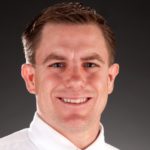
Treating back pain and injuries non-surgically can be a less invasive way to feel better without complicated and risky surgery. Under the direction of fellowship-trained Neuroradiologist David Lloyd, M.D., Vascular and Interventional Specialists of Prescott (VISP), doctors perform minimally invasive, non-surgical back treatments that relieve pain and may help people avoid surgery. The doctors at VISP are all fellowship-trained radiologists who are experts at using image guidance such as MRI, … [Read more...] about Treating Back Pain with Injections
Keeping Legs Healthy, Attractive with Minimally Invasive Vein Treatments
Chronic venous insufficiency is a condition that causes decreased blood flow from the leg veins to the heart. The decreased blood flow causes the blood to pool in the leg veins, which can lead to varicose veins. Special valves in the blood vessels of the legs ensure blood flows up toward the heart for recirculation, and prevent the backflow of blood. When blood flows backward, it is called Venous Reflux Disease. Symptoms such as aching, swelling, fatigue or heaviness in the leg or an ulcer … [Read more...] about Keeping Legs Healthy, Attractive with Minimally Invasive Vein Treatments
Welcoming TAVR: Transcatheter Aortic Valve Replacement
Transcatheter Aortic Valve Replacement (TAVR) is a minimally invasive procedure performed collaboratively by interventional cardiologists and cardiac surgeons. Typically, people who have aortic stenosis (narrowing) or malfunction of the aortic valve need open heart surgery to replace the damaged valve. A valve controls the passage of blood from the heart to the body. It prevents the blood from flowing backward. If a person has a damaged valve, it may not open enough to allow an adequate … [Read more...] about Welcoming TAVR: Transcatheter Aortic Valve Replacement
CT Calcium Scoring: A Measure of Heart Attack Risk
“I am so happy I had the calcium score test done. Now I know what level of risk I’m at for having a heart attack and I can take steps to become healthier.” – Pat L., Prescott Calcium Scoring is a test that helps health care providers determine a person’s degree of coronary artery disease. By using CT scan imaging, radiologists can see how much calcium build-up is inside the plaque that is within the walls of the arteries of the heart. The calcium is what causes the hardening of the … [Read more...] about CT Calcium Scoring: A Measure of Heart Attack Risk
Minimally Invasive Procedures Happen in Cath Lab
The location where an interventional radiologist performs image-guided, minimally invasive procedures is a room in the Catheterization Laboratory (Cath Lab) or the Angiography Suite. This state-of-the-art environment is like an operating room with diagnostic imaging equipment that assists the interventional radiologist during a procedure. Dr. Matthew Dicker, an interventional radiologist with Prescott Radiologists, said, “The majority of the procedures performed in the Cath Lab are … [Read more...] about Minimally Invasive Procedures Happen in Cath Lab